
Acupressure
Discover our authentic wellness treatment
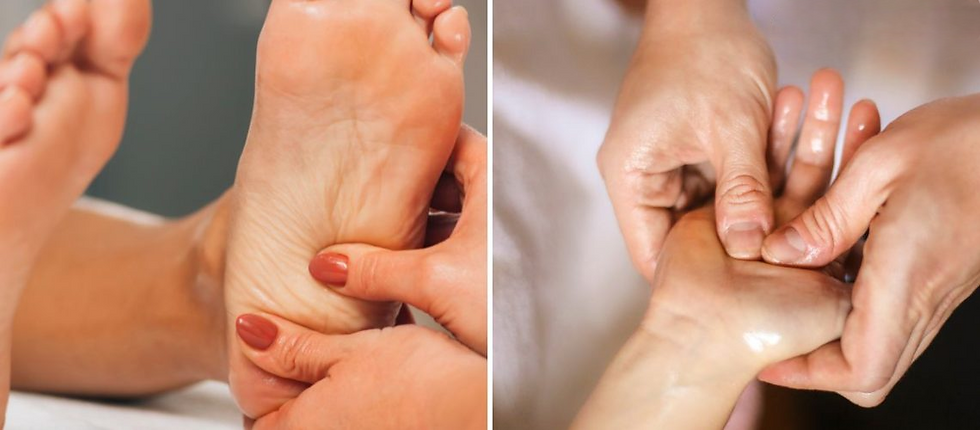


Treatment Overview
Why Selfcare
-
NABH-guided care & protocols
-
Integrated Ayurveda
-
• Naturopathy
-
• Yoga
-
Doctor-supervised personalized plans
About This Treatment
Targeted, needle‑free point therapy to ease tension, improve circulation, and calm the nervous system.
Acupressure uses gentle, sustained pressure on specific points to release tightness, support natural pain modulation, and restore balance. At Atmabodh, sessions are therapist‑led, doctor‑informed, and tailored to your comfort and goals. No needles, no force just precise, mindful touch.
Acupressure supports well‑being and symptom relief. It does not replace medical diagnosis or treatment. Please consult your physician for acute or undiagnosed conditions.
Why choose Acupressure at Selfcare?
-
Personalised mapping of tender points, posture, breath, and stress patterns.
-
Gentle, graded pressure we work within your comfort and adjust intensity live.
-
Integrative approach that pairs well with Ayurveda, Yoga Therapy, and Physiotherapy.
-
Hygiene & quality: trained therapists, clean protocols, and doctor oversight when needed.
-
Practical home care: 2–3 safe self‑press points and micro‑routines you can maintain.
Who can benefit?
-
Neck & shoulder strain from screens, driving, or stress.
-
Low‑back tightness and hip/glute trigger‑points.
-
Headaches & jaw tension (tension‑type; supportive care for migraine patterns).
-
Wrist/forearm overuse (typing, lifting, racquet sports).
-
Knee & foot discomfort including plantar tightness.
-
Digestive discomfort & bloating (with lifestyle guidance).
-
Sinus pressure & seasonal congestion (non‑infective; with nasal hygiene advice).
-
Stress, anxiety, and sleep dysregulation down‑regulating the nervous system.
-
Women’s health: menstrual cramps and peri‑menopause tension (timing‑aware).
Suitability is individual; see Safety for contraindications.
What happens in a session?
-
Brief intake: current symptoms, red flags, medications, and goals.
-
Assessment: posture/breath check, palpation to identify active tender points.
-
Point work: slow, sustained pressure (thumb/finger/knuckle) 20–90 seconds per point.
-
Release & reset: gentle stretching, joint mobilisations, and breath cueing.
-
Home plan: 5–10 minute routine with 2–3 self‑press points and pacing guidance.
Typical duration: 45–60 minutes (first visit may take longer for assessment).
Techniques we may use
-
Meridian‑based acupressure (needle‑free point sequences).
-
Trigger‑point deactivation for taut bands in muscles.
-
Myofascial gliding & holds to improve tissue glide and hydration.
-
Auricular acupressure (ear seeds) latex‑free, take‑home support when indicated.
-
Hand/foot reflex zones (Sujok‑inspired, non‑invasive).
-
Heat/fomentation to soften tissue before point work.
-
Breath‑led relaxation / Yoga Nidra to consolidate a parasympathetic state.
We avoid forceful or painful techniques; no needles are used.
Safety & contraindications
-
Pregnancy: some points are avoided; we use pregnancy‑safe protocols only.
-
Uncontrolled BP/diabetes, fever/infection, recent fractures/surgery: medical clearance required.
-
Varicose veins, open wounds, active skin conditions: local points avoided.
-
Blood thinners/bleeding disorders: gentle, modified pressure only.
-
You can continue prescribed medicines; do not change without your doctor’s advice.
What you may feel during & after
-
Warmth, tingling, or a diffuse “good ache” that eases as the point releases.
-
Post‑session lightness and easier range of motion; occasional mild soreness for 12–24h.
-
Better sleep and calmer mood with consistency.
After‑care: hydrate, keep warm, avoid heavy workouts/alcohol the same day, and follow your home points.